Jessie Larson

Classic clothing stays relevant because it relies on proven silhouettes, durable materials, and neutral color systems that consistently perform well across fashion cycles.
The risk of looking outdated comes not from the classic pieces themselves but from outdated styling choices such as old proportions, neglected grooming, poor fit, or mismatched accessories.
Modernizing classic outfits requires adjustments in fit, fabric quality, color balance, and contextual styling rather than abandoning timeless items.
Start With Fit, Not With Shopping
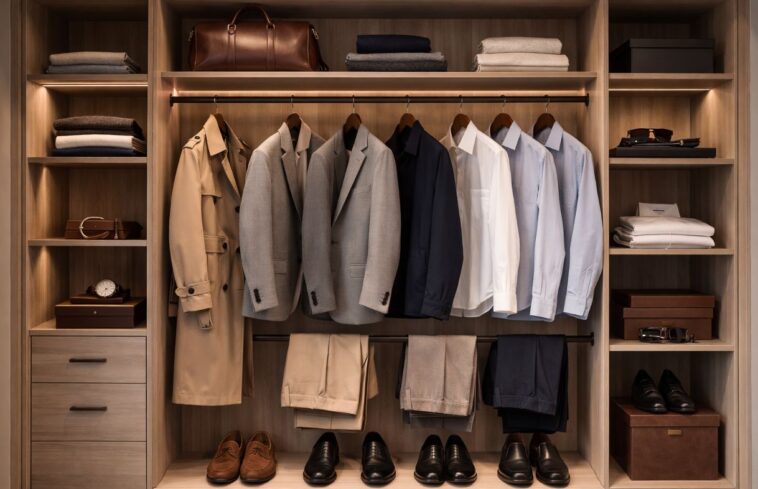
Most classic wardrobes already contain usable pieces. The first step is adjusting what you own before buying anything new. Contemporary tailoring is balanced. It is neither oversized nor aggressively slim. Jackets follow the shoulder line naturally. Sleeves end cleanly at the wrist bone. Trousers sit at a mid-rise and break lightly at the shoe.
Clothing that is too loose looks inherited from a previous decade. Clothing that is too tight looks dated differently. The modern standard prioritizes clean lines and movement.
Here is a practical reference framework:
Update Fabrics, Not Just Shapes
Classic design stays relevant, but fabric finishing evolves. Modern wool blends often include stretch fibers for mobility. Cotton shirts are treated for wrinkle resistance. Leather finishing techniques create matte surfaces that age evenly instead of cracking.
The visual difference is subtle but important. Old fabric often looks dull or tired even when the design is timeless. Fresh material reads sharper.
This does not mean replacing everything. It means removing garments that show irreversible wear. Faded black, shiny knees on trousers, or peeling leather immediately date an outfit. Condition is part of style.
Keep Neutrals, But Adjust The Contrast
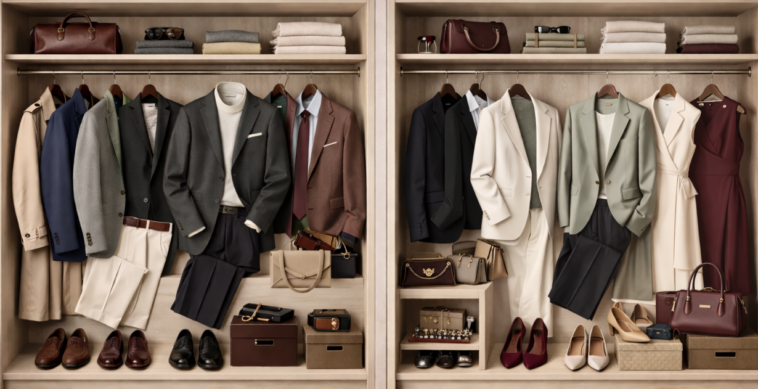
Neutral wardrobes work because they simplify coordination. Navy, charcoal, beige, white, and brown remain strong foundations. The mistake is repeating the same combinations year after year.
Instead of navy with grey every time, try navy with muted olive. Instead of black and bright white, use black and off-white. Instead of brown shoes with every blue suit, consider deep burgundy leather.
Small tonal adjustments prevent repetition while maintaining classic structure.
Color changes should remain controlled. Loud accent colors rarely modernize classic outfits. They usually compete with them.
Accessories Modernize Faster Than Clothing
Shoes, bags, eyewear, and watches evolve more quickly than jackets or coats. This makes them powerful upgrade tools.
A well-cut blazer paired with outdated square-toe shoes still looks outdated. The same blazer paired with almond-toe shoes and a clean minimalist bag looks current.
Today, accessory design trends lean toward reduced hardware, clean surfaces, and functional structure. Many professionals have moved from traditional briefcases toward structured leather backpacks because they distribute weight better and reflect modern mobility.
A clear example is the Grainmark Leather backpacks collection, which uses full-grain leather with minimalist construction. The structure supports business tailoring but also pairs naturally with denim and knitwear. The key is balance. The bag does not dominate the outfit. It supports it.
Footwear Is Often The Weakest Link
Footwear silhouettes shift faster than outerwear. Toe shape, sole thickness, and branding make strong visual statements.
Modern dress shoes favor almond-shaped toes and moderate sole thickness. Overly pointed shoes feel dated. Square toes feel dated. Extremely chunky sneakers paired with tailoring feel forced unless styled intentionally within a fashion context.
Maintenance matters as much as shape. Clean laces, conditioned leather, and intact soles preserve relevance.
Here is a quick guideline:
Shoes anchor the entire outfit. If they are outdated, the rest rarely compensates.
Avoid The Costume Effect
One of the fastest ways to look outdated is to overcommit to a single era. Tweed blazer, pleated trousers, suspenders, vintage tie, and retro shoes together feel theatrical rather than current.
Instead, limit heritage pieces to one or two elements. Combine a tweed blazer with modern trousers and minimalist footwear. Pair a vintage leather jacket with contemporary denim.
Contrast creates balance. Over-coordination creates nostalgia.
Pay Attention To Proportion Harmony
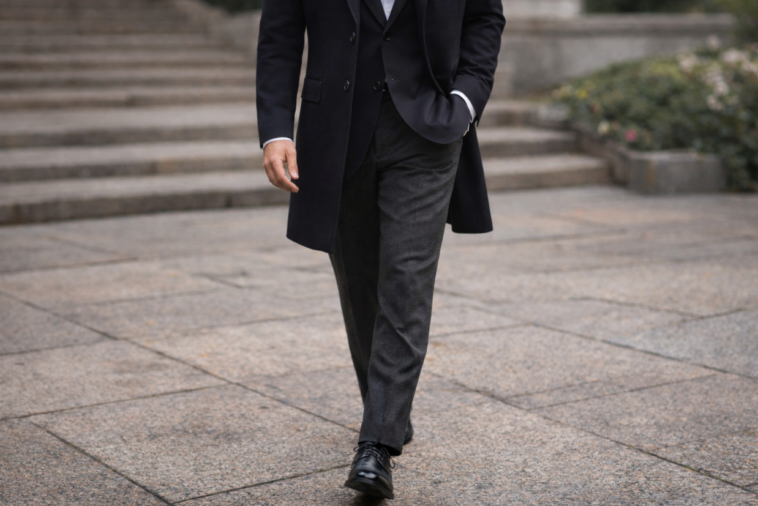
Classic styling fails when proportions conflict. Slim trousers with bulky boots look imbalanced. Wide trousers with ultra slim shoes look disconnected. Long coats paired with short, cropped trousers can feel visually unstable.
Proportions should communicate cohesion. Sleeve length should reveal a small portion ofthe shirt cuff. Trousers should align cleanly with footwear. Jacket length should cover the seat midpoint.
When proportions align, even simple outfits look refined.
Grooming Is Part Of The Outfit
Hair, facial grooming, and garment care influence perception as much as clothing choice. A modern haircut paired with a classic blazer reads intentional. A neglected haircut paired with the same blazer reads dated.
Garments should be pressed. Knitwear should be depilled. Leather should be conditioned. Shoes should be clean.
Neglect undermines classic style faster than any trend shift.
Keep Branding Subtle
Large visible logos cycle in and out of fashion. Minimal branding maintains longevity. Embossed leather marks or subtle hardware feel intentional. Loud printed logos anchor the garment to a specific moment in time.
Classic style historically values construction over advertising. That principle still works.
Layer With Purpose
Layering remains central to classic dressing, but it should serve temperature and function. Adding unnecessary waistcoats or scarves purely for visual effect can feel dated.
Instead, use lightweight overshirts instead of heavy three-piece layering in mild climates. Choose breathable outerwear rather than stacking multiple bulky layers.
Clarity of silhouette always wins.
Bottom Line
Classic outfits only look outdated when the execution is outdated. The fix is practical and measurable. Make sure every core piece fits today’s proportions, not the proportions from when you bought it. Replace shoes before they distort or fall behind current shape standards.
Remove garments that show visible fabric fatigue. Keep branding subtle. Maintain grooming and garment care consistently.
You do not need trend-driven pieces to stay current. You need a calibrated fit, updated accessories, controlled color contrast, and clean proportions from head to toe. If a classic outfit looks off, check the details in this order: fit, footwear, condition, and proportion balance.
Correct those four variables, and timeless pieces will look modern without trying to be fashionable.